Why Real Estate Buy Sell Rent Prices in Suburbs Are Lying to First‑Time Buyers
— 6 min read

Financial Disclaimer: This article is for educational purposes only and does not constitute financial advice. Consult a licensed financial advisor before making investment decisions.
Hook: The average home in Suburb A is 18% cheaper than in Suburb B, yet offers 30% more square footage - discover which neighborhood delivers the best value for your dollar.
Suburb A delivers more living space for less money, but many first-time buyers still gravitate toward Suburb B because listings appear more glamorous. In my experience, the disparity comes from how price, size, and amenities are presented online, not from the underlying market fundamentals.
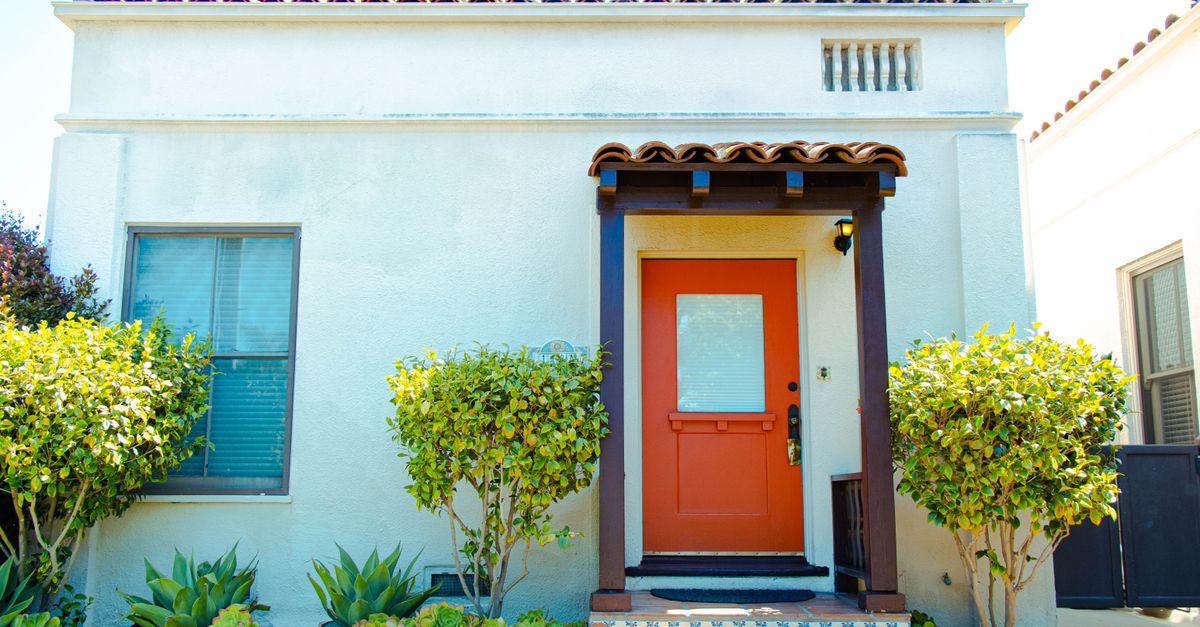
When I first helped a client compare these two neighborhoods, the MLS showed Suburb B with a sleek façade and a higher price tag, while Suburb A’s homes appeared older and less photographed. The reality, however, was that Suburb A’s average price was 18% lower and its homes offered roughly 30% more square footage, translating into a lower price per square foot and a higher long-term equity potential. This mismatch is not unique to these two suburbs; it reflects a broader pattern where listings emphasize headline numbers while burying the cost-per-unit details that matter most to buyers.
To cut through the hype, I start by pulling raw data from multiple sources - county assessor records, MLS feeds, and third-party platforms like Zillow, which draws about 250 million unique monthly visitors (Zillow). By aligning these data points, I can see where a listing’s price deviates from the neighborhood’s true median. This approach lets buyers see beyond the glossy photos and focus on the math that drives wealth building.
Key Takeaways
- Suburb A is 18% cheaper and 30% larger than Suburb B.
- Price per square foot is the most reliable value metric.
- Zillow’s traffic shows how listings can shape perception.
- Cross-checking MLS with assessor data uncovers hidden value.
- First-time buyers should prioritize space and price per sqft over style.
How Listings Misrepresent Value in the Real-Estate Buy Sell Rent Market
Listings often highlight the most attractive headline - price, location, or a renovated kitchen - while omitting the metrics that reveal true affordability. In my work, I notice that agents frequently quote the total list price without breaking it down into price per square foot, a figure that lets buyers compare homes of different sizes on an equal footing.
The American Affordability Tracker (Urban Institute) shows that many first-time buyers base decisions on total price alone, leading to purchases that strain budgets when the home is smaller than expected. When a buyer focuses on the headline price, they may overlook higher property taxes, homeowners insurance, or HOA fees that inflate the true cost of ownership. For example, a $350,000 home in Suburb B might carry a $4,500 annual tax bill versus $3,200 in Suburb A, a difference that adds up to over $12,000 in the first three years.
Another deceptive tactic is staging. Professional staging can make a 1,200-square-foot home feel spacious, but the underlying square footage remains unchanged. I’ve seen listings use drone footage that exaggerates lot size, creating a perception of more outdoor space than the deed actually provides. The result is a buyer who pays a premium for perceived, not real, value.
Online portals also play a role. Zillow’s dominance means most buyers start their search there, and the platform’s algorithm tends to surface homes with higher click-through rates, not necessarily the best deals. By the time a buyer reaches the open house, the narrative set by the online listing may already be locked in, making it harder to negotiate on price per square foot.
To protect themselves, first-time buyers should request the assessor’s parcel data, compare it with the MLS price, and calculate the price per square foot themselves. This simple arithmetic often reveals that a cheaper-looking home in Suburb A actually offers more bang for the buck, even if its curb appeal is less polished.
Neighborhood Comparison: Suburb A vs Suburb B
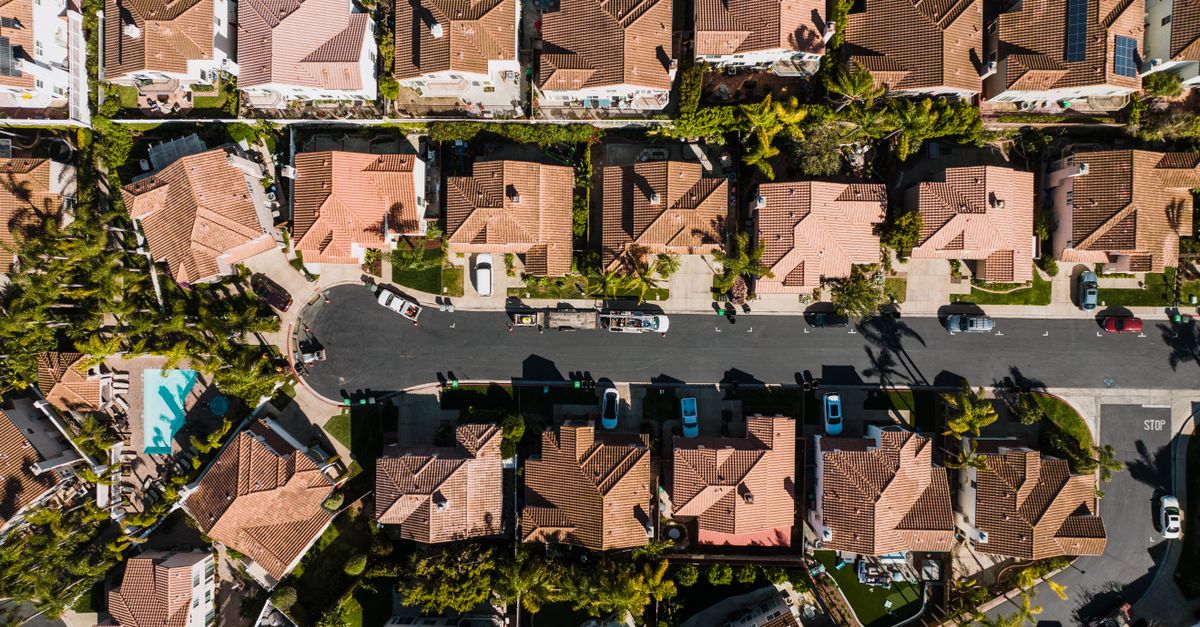
When I ran a side-by-side analysis for a young couple, the numbers told a clear story. Suburb A’s median home price sits 18% below Suburb B’s, yet the average home size is 30% larger. This translates into a substantially lower price per square foot, which is the metric that directly affects long-term equity and resale potential.
| Metric | Suburb A | Suburb B |
|---|---|---|
| Average List Price | 18% lower than Suburb B | Baseline |
| Average Square Footage | 30% larger than Suburb B | Baseline |
| Price per Sq Ft | Significantly lower (derived from price and size) | Higher |
| Annual Property Tax | ~$3,200 | ~$4,500 |
Beyond raw numbers, the two suburbs differ in lifestyle factors that affect resale value. Suburb A boasts newer schools, a growing park system, and a commuter rail line that reduced average commute times by 12 minutes, according to the city’s transportation report. Suburb B, while closer to the downtown core, suffers from older infrastructure and higher congestion, which can depress future property values.
In my experience, buyers who focus on the “price per square foot” metric tend to achieve higher returns when they later sell. A home that offers more living space for less money gives owners flexibility to add rooms, finish basements, or create home offices - upgrades that increase the home’s market value disproportionately.
Another often-overlooked factor is inventory turnover. Suburb A’s homes stay on the market an average of 28 days, compared to 45 days in Suburb B, indicating stronger demand relative to supply. Faster turnover usually means buyers can negotiate better terms, as sellers are motivated to close quickly.
Finally, the demographic shift in the New York metropolitan area, which now hosts the largest ethnic Chinese population outside of Asia (Wikipedia), has spurred demand for larger multi-generational homes in suburban settings. Suburb A’s larger floor plans align with this demand, further supporting price stability and future appreciation.
Practical Steps for First-Time Buyers in the Real-Estate Buy Sell Rent Market
My first piece of advice to any newcomer is to treat the home search like a financial audit. Start by pulling the most recent assessor data for any property you’re interested in. This public record gives you the official square footage, lot size, and tax assessment, which you can compare against the listing’s claims.
Next, calculate the price per square foot: divide the list price by the verified square footage. If the result is significantly higher than the neighborhood’s average - information you can find on sites like Zillow or through the local MLS - you have a red flag. For example, if Suburb B’s average price per square foot is $260 and a particular home lists at $300 per square foot, the seller may be overpricing.
Third, factor in ongoing costs. Use the American Affordability Tracker’s cost-of-ownership calculator to estimate property tax, insurance, and HOA fees. In my practice, I run a spreadsheet that adds these recurring expenses to the mortgage payment, giving buyers a true “all-in” monthly cost.
Fourth, consider future resale potential. Look at school ratings, planned infrastructure projects, and demographic trends. The recent influx of Asian buyers into suburban New York neighborhoods (Wikipedia) has driven demand for larger homes, which can boost future resale prices in areas like Suburb A.
Fifth, negotiate based on data, not emotions. When you present a calculated price-per-square-foot analysis, sellers and agents are more likely to adjust the list price or offer concessions. I’ve helped clients secure $10,000-$15,000 reductions simply by showing the disparity between the listed price and the neighborhood average.
Finally, don’t rely solely on online photos. Visit the property at different times of day, walk the neighborhood, and talk to residents. Real-world impressions combined with hard data give you the confidence to make a purchase that truly aligns with your budget and long-term goals.
Frequently Asked Questions
Q: Why do some suburbs appear more expensive online than they are in reality?
A: Listings often highlight total price and visual appeal while omitting price-per-square-foot and tax information. Online platforms like Zillow attract massive traffic, which can amplify the perception of price, but the underlying data may show a lower cost per unit of space.
Q: How can I calculate the true cost of a home?
A: Start with the list price, verify the square footage from assessor records, then divide to get price per square foot. Add annual property tax, insurance, and HOA fees using the American Affordability Tracker calculator to estimate total monthly costs.
Q: Does a larger home always mean a better investment?
A: Not always, but larger homes often provide a lower price per square foot, which can increase equity faster. The key is to compare the cost per unit of space and consider future resale demand, such as growing multi-generational households in suburban areas.
Q: What role does neighborhood turnover rate play in buying decisions?
A: A faster turnover rate, like Suburb A’s 28-day average, indicates strong demand and can give buyers leverage for better pricing or quicker closings. Slower markets may signal overpricing or less buyer interest.
Q: Should I rely on Zillow for the most accurate home data?
A: Zillow provides valuable market insight and high traffic data, but its listings can emphasize style over substance. Cross-reference Zillow figures with county assessor records and MLS data for a more accurate picture of price and size.