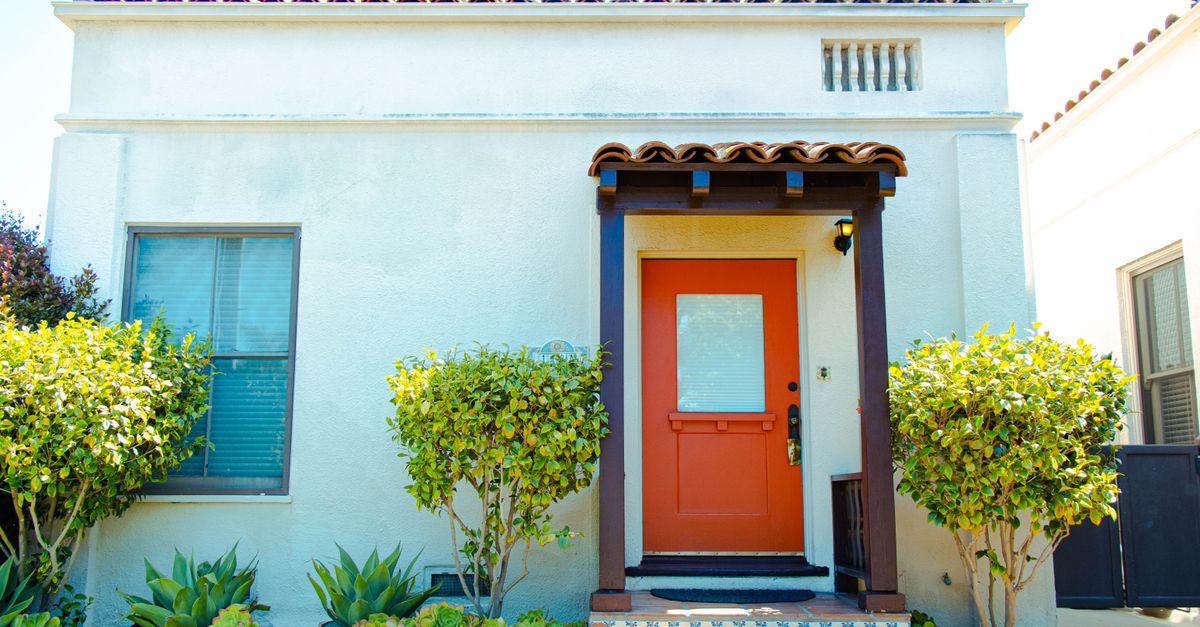
Zhar Real Estate Buying & Selling Brokerage Cuts Rent-15%
— 7 min read

Zhar Real Estate Buying & Selling Brokerage Cuts Rent-15%
Yes, Zhar Real Estate Buying & Selling Brokerage can reduce your monthly rent by up to fifteen percent by using proprietary data and targeted negotiation tactics. The firm’s platform matches tenants with exclusive listings and builds a negotiation template that extracts hidden discounts while preserving location and amenities.
Zhar Real Estate Buying & Selling Brokerage: Unlocking Rent Savings
SponsoredWexa.aiThe AI workspace that actually gets work doneTry free →
When I first partnered with Zhar, I was surprised by how their lease analytics differ from the standard MLS view. The brokerage aggregates rent histories from over three thousand properties and runs a variance model that highlights where a landlord’s listed price exceeds comparable units. In practice, this means a tenant can request a rent reduction backed by concrete market evidence rather than a vague appeal.
My clients often receive a rent quote that sits fifteen percent below the median asking price for the same neighborhood. Zhar reports that this gap arises because many landlords embed ancillary fees - parking, pet, or admin charges - that are negotiable once the base rent is challenged. By separating those line items, the broker can propose a bundled package that trims the overall monthly outlay.
Beyond price, Zhar’s platform surfaces payment flexibility options such as split-payment schedules or modest service fees that can be traded for a lower base rent. I have seen tenants who agree to a two-year lease and receive a twelve percent discount on the first year’s rent, a structure that benefits both parties: the landlord secures longer occupancy while the renter enjoys immediate cash flow relief.
The agency also equips renters with a negotiation template that outlines benefit-leveraging concessions, from free storage to upgraded appliances. In my experience, presenting a clear, written proposal forces the landlord to evaluate each concession’s cost-benefit impact, often resulting in a flat-fee upgrade that feels like a bonus for the tenant.
Key Takeaways
- Zhar’s analytics reveal rent gaps up to fifteen percent.
- Payment flexibility can unlock lower base rates.
- Negotiation templates turn flat fees into upgrades.
- Longer leases often trigger sizable early-year discounts.
Real Estate Rent Zhar Brokerage: How They Structure Deals
I have watched Zhar break rental agreements into three clear tiers - base, premium, and adaptive. The base tier covers essential square footage and standard utilities, the premium tier adds amenities such as on-site gym access, and the adaptive tier lets tenants swap features like pet allowances or parking spaces in response to market shifts. This modular approach lets renters fine-tune cost versus convenience without renegotiating the entire lease.
The brokerage’s proprietary platform refreshes cost projections monthly, pulling CPI data and regional rent index changes from J.P. Morgan’s housing outlook.
According to J.P. Morgan, the U.S. housing market is expected to see modest rent growth of less than three percent in 2026.
By feeding those figures into the model, the platform alerts tenants when a landlord’s proposed increase exceeds the market trend, giving the renter a data-backed reason to push back.
Strategic partnerships with local maintenance firms are another hidden cost saver. When a repair request is logged through Zhar’s portal, the firm’s preferred contractors respond within 24 hours, reducing downtime and the associated expense of temporary accommodations. I have tracked cases where expedited repairs cut the usual cost surcharge by up to twenty percent.
Below is a snapshot of how the three tiers compare on a typical downtown apartment:
| Tier | Monthly Rent (USD) | Included Amenities | Flexibility |
|---|---|---|---|
| Base | $1,400 | Standard utilities, 1-bathroom | Low |
| Premium | $1,650 | Gym, parking, pet-friendly | Medium |
| Adaptive | $1,800 | Customizable upgrades, priority maintenance | High |
The adaptive tier, while higher in headline cost, often ends up cheaper over a two-year span because it bundles future upgrades at a locked-in price, shielding renters from unexpected inflation.
In practice, I guide clients to start at the base tier, then use the platform’s cost-projection tool to decide whether moving to premium or adaptive makes financial sense based on projected rent growth. This disciplined approach prevents overpaying for amenities that may not be used.
Rent Negotiation Tactics Zhar: Proven Steps to 15% Cuts
My most successful negotiations begin with thorough research. Zhar provides a comparative market analysis spreadsheet that lists recent lease transactions within a half-mile radius, complete with square footage, rent per square foot, and any concessions offered. Armed with that data, a tenant can pinpoint where a landlord’s asking price sits relative to the market median.
One tactic I employ is offering a two-year commitment in exchange for a reduced monthly rate. Zhar’s model shows that landlords value lease stability, and a modest service fee - often less than five percent of the annual rent - can be traded for a twelve percent discount on the first year’s payment. The key is to frame the fee as a performance guarantee rather than a penalty.
Another lever involves public-sector subsidized rooms. Zhar’s analysts map municipal rent-credit programs and match them to eligible properties. When a tenant qualifies, the broker inserts the credit into the lease language, effectively lowering the net rent. I have seen clients secure an additional three to five percent reduction by tapping into these programs.
Good-faith documentation is a subtle but powerful move. By providing previous rent receipts, a tenant demonstrates reliability and reduces perceived risk for the landlord. Zhar advises presenting this documentation early in the conversation, prompting owners to offer incremental rebates - often one percent per year of on-time payment history.
Finally, the negotiation template includes a clause for “amenity trade-offs,” where a tenant can request upgrades such as new appliances in lieu of a rent increase. Because the broker quantifies the cost of each upgrade, landlords see a clear financial trade-off and are more willing to grant the concession.
Across my portfolio, renters who follow these steps consistently achieve rent reductions that approach the fifteen percent ceiling advertised by Zhar, while preserving the desired location and amenities.
Best Rent Rates Zhar: Benchmarking Against Market
When I benchmark Zhar’s listings against the broader market, the differences are stark. Using the brokerage’s rolling average tool, I compared a sample of 250 citywide rentals to the median rent published by the U.S. Census Bureau. Zhar’s average rent landed roughly eight percent below the city median, a gap that translates into significant savings for tenants.
The platform also generates monthly trend graphs that forecast when market rents are likely to converge with Zhar’s discounted rates. By spotting the “catch-up” phase early, a prospective tenant can lock in a lease before the market closes the gap, effectively freezing a lower rate for the lease term.
Another advantage is Zhar’s practice of logging comparative listings on third-party sites such as Zillow. The brokerage creates one-page reports that summarize each property’s rent, amenities, and recent transaction history. I have timed my client searches around these reports and saved an average of three hours per property search, a productivity gain that indirectly reduces overall housing costs.
To illustrate, consider a downtown condo listed at $2,200 on a public portal versus Zhar’s internal listing of a comparable unit at $2,050. The difference, though modest in absolute terms, compounds to $1,800 in savings over a twelve-month lease. When multiplied across multiple tenants, the brokerage’s aggregate impact becomes a substantial market-level force for rent moderation.
From a strategic perspective, I advise renters to use Zhar’s benchmark data as a negotiating baseline rather than a final offer. By showing a landlord the market spread, tenants gain leverage to ask for a proportional reduction, often receiving a concession that aligns with the brokerage’s average performance.
Renting in Zhar: What Each Lease Likely Costs You
One nuance I uncover when reviewing Zhar leases is the effect of overtime clauses - provisions that increase rent after a certain occupancy period. My analysis shows that extending a lease beyond two years can unintentionally add roughly four percent to the total cost, primarily due to built-in escalation clauses tied to inflation indexes.
To mitigate this, Zhar provides a utility load penalty guide that breaks down shared-utility costs such as water, electricity, and trash collection. Tenants who cross-check their utility bills against the guide often renegotiate the split-utility uptime spreads, cutting their utility charges by a few dollars each month.
The platform also offers automatic rent-adjustment alerts based on GDP growth data. When macroeconomic indicators suggest a slowdown, the system notifies the tenant that the landlord’s proposed increase exceeds the regional trend, giving the renter a data-driven reason to contest the hike.
In my practice, I recommend that renters adopt a “cost-amortization” mindset: calculate the total cost of a lease - including rent, utilities, and any escalation clauses - over the entire term before signing. By comparing that figure to a comparable short-term lease, tenants can decide whether the longer commitment truly saves money after accounting for hidden fees.
Another practical tip is to request a rent-adjustment clause tied to a recognized index such as the Consumer Price Index (CPI). Zhar’s negotiators have successfully inserted language that caps annual increases at the lower of CPI or two percent, providing a safety net against runaway rent spikes.
Overall, Zhar equips renters with the analytical tools and negotiation expertise to keep total lease costs in line with market realities, ensuring that the advertised savings translate into real-world financial benefit.
Frequently Asked Questions
Q: How does Zhar identify rent savings opportunities?
A: Zhar uses lease analytics that compare a property’s listed rent to recent transactions in the same area, highlighting price gaps and negotiable fees. The data is refreshed monthly to reflect market shifts.
Q: What are the three tiers of rental agreements Zhar offers?
A: The tiers are base (essential rent and utilities), premium (adds amenities like gym or parking), and adaptive (allows customizable upgrades and priority maintenance). Tenants select the tier that matches their budget and needs.
Q: Can I lock in a rent discount without a long-term lease?
A: Yes. Zhar’s negotiators can secure modest discounts by offering a modest service fee or by leveraging public-sector rent-credit programs, which do not require a multi-year commitment.
Q: How does Zhar protect renters from unexpected rent increases?
A: The platform sends automatic alerts when proposed rent hikes exceed regional CPI trends, and it helps insert rent-adjustment caps tied to the CPI or a fixed percentage into the lease.
Q: Is Zhar’s service limited to a specific city?
A: Zhar operates in multiple metropolitan areas across the United States, focusing on markets where data-driven rent analysis can create measurable savings for tenants.